
Loading Dock Cleaning in NYC
Hot water and degreaser on the apron, the pit, the levelers and the trailer pads, worked bay by bay so nothing stops moving.
718-986-8129
Loading Dock Cleaning
A loading dock is the dirtiest concrete on a commercial property and the one nobody schedules. Hydraulic fluid from the levelers, diesel and oil from tractors idling in position, rubber laid down at the bumpers, product spilled off broken pallets, and in food operations the residue that turns the apron into a pest problem. Quality Power Wash degreases docks with hot water on a bay-by-bay rotation, so the work fits inside the gaps in your delivery schedule rather than shutting the dock down.
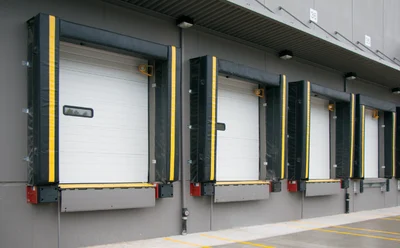
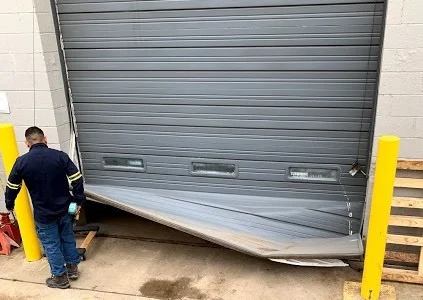
What's Included in Loading Dock Cleaning
- Dock apron and approach – The concrete the trailers back over, where oil, diesel and rubber concentrate into a dark permanent-looking stain.
- Dock levelers and pits – The pit floor and leveler assembly where hydraulic fluid, debris and standing water collect and almost nobody cleans.
- Bumpers, bollards and guards – Rubber bumpers, bollards and guard rails cleaned back so the safety markings are actually visible again.
- Trailer pads and truck positions – Fixed parking and staging positions where petroleum drips accumulate in the same spot for years.
- Hydraulic and oil spill treatment – Degreaser with dwell time drawing petroleum out of the pores rather than pushing the film wider across the slab.
- Tire mark and rubber removal – Scrubbed rubber deposits at the approach and turning points, which is what makes a swept dock still look filthy.
- Trench drain and drain area cleanout – Trench grates and drain surrounds cleared, which matters both for drainage and for what ends up going down them.
- Dock door tracks and thresholds – The threshold plate, track and lower door panel where grime builds up and eventually starts affecting the seal.
- Interior dock floor edge – The first stretch of interior floor inside the door, where outside dirt gets carried in by forklift traffic.
- Recurring dock programs – Monthly or quarterly rotation with a fixed scope, a photo log and a bay sequence that works around your inbound schedule.
Why Quality Power Wash for Loading Dock Cleaning
Heat, because grease is the problem
Cold water at high pressure moves petroleum around. Hot water with a degreaser and real dwell time is what actually lifts it, and dock work is where the difference is most obvious.
We work bay by bay
The dock does not close. We take bays in sequence around your inbound schedule so you never have more than one position out at a time.
The parts nobody else cleans
Levelers, pits, bumpers, bollards and trench drains. Most contractors wash the apron and call it a dock, which leaves the actual mess where it is.
Recovery on the dirtiest water we handle -
Dock wash water is oil-laden by definition, which makes containment non-negotiable rather than a nice-to-have. It is captured and filtered, not pushed to the drain.
Need loading dock cleaning scoped for your property?
Call 718-986-8129 or request a quote from Quality Power Wash.
718-986-8129
How We Work
1. Read the delivery schedule – Before we quote it we look at when your inbound traffic actually lands, because the whole plan depends on where the gaps are and how long a bay can be out.
2. Bay sequence and staging – Bays are ordered so the crew moves through the dock without ever holding more than one position, with cones and signage keeping drivers and forklifts clear of the wet zone.
3. Dry clear and drain protection – Pallet debris, banding, shrink wrap and grit are removed dry and bagged, and trench drains and catch basins are matted and bermed before the first hose comes off.
4. Degreaser, dwell, hot water – Degreaser goes down and is given time to break the petroleum bond, then hot water at a controlled pressure lifts it. The dwell is what does the work, not the pressure.
5. Recover, dry and reopen the bay – Wash water is vacuumed and filtered, the slab is squeegeed so nobody backs a trailer onto a wet apron, and the bay goes back into service before the crew moves on.
Wash Water, Spills and Dock Safety
Dock wash water is the most contaminated water we produce on any job, and a dock slab is engineered to move liquid straight to a drain. That combination is where this work either gets done right or becomes the property’s problem.
- Nothing but stormwater to a drain – Title 15 RCNY 19-02 permits only stormwater or allowable runoff into a City storm sewer or catch basin. Trench drains and basins in the work zone are matted and bermed before degreaser or water goes down.
- The numbers that apply to dock water – Title 15 RCNY 19-03 excludes fats, oils, grease, and waste, motor and heating oil and diesel from the combined and sanitary sewers, caps non-polar material at 50 mg/L, requires pH between 5.0 and 12.0, and prohibits wastewater above 150 degrees Fahrenheit. Hot water dock work is staged so recovered water cools and is filtered before disposal.
- Where the drain actually goes – DEP reports roughly 60 percent of the city is on a combined sewer system, where heavy rain can push stormwater and untreated sewage into the waterways together. In the separately sewered remainder a catch basin discharges to a waterbody with no treatment at all.
- If your facility holds a stormwater permit – Facilities in the industrial activity categories at 40 CFR 122.26(b)(14) are covered by New York’s SPDES Multi-Sector General Permit GP-0-23-001, which carries a SWPPP, quarterly visual monitoring, semi-annual benchmark monitoring and an annual certification due January 28. Send us the wash water section and we build the containment plan to it.
- Where our scope stops – We clean routine operational soil. A reportable release, a ruptured hydraulic line, or anything involving a regulated substance goes to a qualified spill response contractor, and we will tell you when a situation has crossed that line rather than washing it into a drain.
- Working around live equipment – Crews work under OSHA general industry requirements at 29 CFR 1910 Subpart D for walking and working surfaces, and the dock is treated as an active traffic environment with forklift and trailer movement controlled by agreement with your supervisor, not by assumption.
- Insurance – A certificate of insurance naming your entity is issued before the first visit. New York employers carry workers’ compensation under Workers’ Compensation Law sections 2 and 3 and disability and paid family leave coverage under section 202.
Who We Help with Loading Dock Cleaning
Dock cleaning is bought by operations, not by marketing. It gets scheduled when a slip incident happens, when an audit or a customer visit is coming, when the smell in a food dock becomes a pest conversation, or when a new facilities manager looks at the apron and decides it is not acceptable. Warehouses, distribution and restaurants with rear service access make up most of the work.
- Warehouses, distribution centers and third-party logistics facilities
- Food distribution and cold chain docks where residue becomes a pest issue
- Retail and grocery with rear receiving docks
- Manufacturing and industrial facilities with fixed trailer positions
- Hospital and institutional service docks with tight scheduling windows
- Property managers whose tenants share a common loading area
Frequently Asked Questions
How often should a loading dock be cleaned?
Most active docks land on a quarterly rotation, with monthly service where food is moving or where the dock is visible to customers or auditors. Low-volume docks can run twice a year. The signal to watch is not the calendar, it is whether the apron has gone from grey to black and whether the safety markings on the bumpers and bollards are still readable.
How do you get hydraulic fluid and oil out of dock concrete?
Degreaser with real dwell time first, then hot water at a controlled pressure. The dwell is what breaks the petroleum bond and lets it release from the pores. Cold water at high pressure does the opposite: it drives the film deeper and spreads the stain. Petroleum that has been soaking in for years will lighten significantly rather than disappear entirely, and we tell you that before the quote rather than after the invoice.
Can you work without blocking our deliveries?
Yes, and it is the main thing we plan around. We take the dock bay by bay in a sequence built off your inbound schedule, so you never have more than one position out at a time, and the slab is squeegeed dry before a bay goes back into service. On tight docks we work overnight or between shifts instead.
Where does the wash water go?
Into recovery. Trench drains and catch basins in the work zone are matted and bermed before degreaser goes down, and wash water is vacuumed and filtered. Title 15 RCNY 19-02 allows only stormwater or allowable runoff into a City storm sewer, and 19-03 excludes oils, grease and diesel from the combined and sanitary system with a 50 mg/L cap on non-polar material and a 150 degree temperature limit.
Do you clean the levelers, pits and bumpers or just the apron?
All of it, and the pits are usually where the real problem is. Leveler pits collect hydraulic fluid, debris and standing water and are almost never in anyone’s cleaning scope, which is why they smell and why the assembly wears. Bumpers, bollards and guard rails get cleaned back so the safety markings are visible again.
Our facility has a SWPPP. Does that change anything?
It changes the plan, and for the better. If you hold coverage under New York’s SPDES Multi-Sector General Permit GP-0-23-001, your SWPPP already specifies how wash water in that area has to be handled. Send us the relevant section and we build containment to it. We are a service contractor rather than your permit consultant, so we work to what your environmental manager has already filed.
Get Started with Loading Dock Cleaning
Quality Power Wash degreases loading docks across Manhattan, Brooklyn, Queens, The Bronx and Staten Island, bay by bay, with wash water recovered rather than drained. Call 718-986-8129 or use our contact form to schedule a dock walkthrough today.
718-986-8129