
Dumpster Pad and Corral Cleaning in NYC
The worst square footage on the property, put on a monthly route: pad, corral walls, compactor surround and the apron around it.
718-986-8129
Dumpster Pad and Corral Cleaning
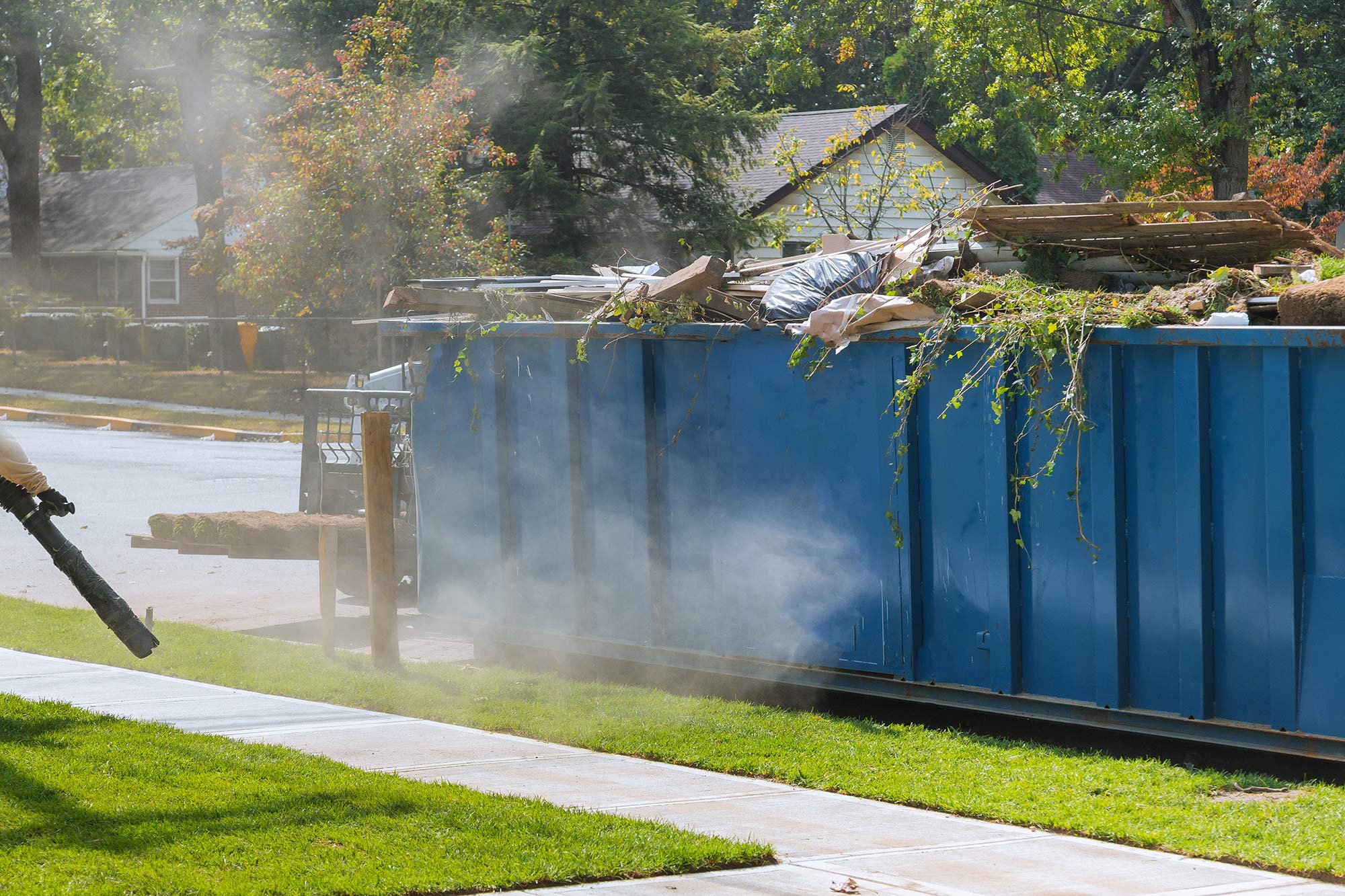
The dumpster pad is where a property’s presentation actually breaks down. Leachate leaks out of the container and cures onto the slab, grease from a kitchen soaks into the concrete, the smell carries to the parking area on a warm day, and the whole enclosure becomes the reason there is a rodent conversation. It is also the single easiest thing on a property to fix, because a pad on a monthly route never gets to the state that requires a restoration. Quality Power Wash cleans pads, corrals and compactor surrounds with hot water and a degreaser, sanitizes, and recovers the water rather than sending it toward a drain.
What's Included in Dumpster Pad Cleaning
- Pad washdown and degreasing – Hot water and degreaser on the slab itself, where leachate, grease and food residue have soaked into the concrete.
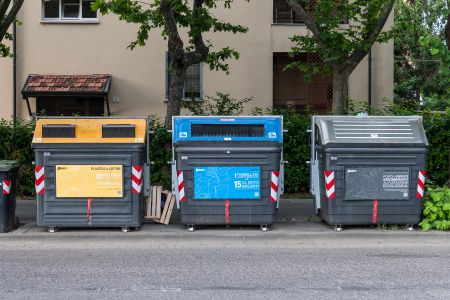
- Corral walls and gates – The enclosure walls, gates, posts and hinges, which collect splash and are usually the part that carries the smell.
- Compactor surround – The concrete and structure around a compactor unit, including the chute face and the area under the hopper.
- Container exterior – The outside faces and lids of your containers where accessible, so a clean pad does not sit under a filthy dumpster.
- Leachate and drain area – The low point where liquid pools and the drain or trench beside it, cleared and protected during the work.
- Sanitizing and odor treatment – A sanitizing and deodorizing pass after the degreasing, which is what changes how the area smells rather than just how it looks.
- Approach apron and drive lane – The concrete or asphalt the hauler backs over, where drips and spill from the lift concentrate.
- Graffiti and sticker removal on the enclosure – Tags and adhesive on corral walls and gates, cleared with methods matched to the surface.
- Pest-pressure reduction – Removing the food residue and grease film that pests are actually feeding on, which is the part a pest contractor cannot do for you.
- Monthly maintenance route – A fixed monthly or biweekly visit timed to pull day, at a fixed price, with a photo log so you can prove the visit happened.
Why Quality Power Wash for Dumpster Pad Cleaning
Timed to pull day
We clean when the container is out or has just been emptied, because washing around a full dumpster is theater. Scheduling against your hauler is the difference between a clean pad and a wet one.
Sanitize, not just rinse
Degreasing lifts the residue, then a sanitizing and deodorizing pass addresses what is actually causing the smell. A rinse alone moves the problem to the drain and it is back within a week.
The one surface where recovery matters most
This is food waste, grease and leachate. It is specifically excluded from the sewer system, so containment and recovery are the job rather than an optional extra.
Priced as a route, not a rescue
A monthly pad visit is a small fixed number. A pad that has gone two years without service is a restoration. We would rather sell you the first thing.
Need dumpster pad cleaning scoped for your property?
Call 718-986-8129 or request a quote from Quality Power Wash.
718-986-8129
How We Work
1. Schedule against the hauler – We find out when your containers are pulled and set the visit immediately after, so the crew is cleaning an empty pad rather than working around a full one.
2. Clear and contain – Loose refuse, cardboard and debris around the enclosure are removed and bagged, and the drain or low point beside the pad is matted and bermed before any water goes down.
3. Degrease and dwell – Degreaser is applied to the slab, the corral walls and the compactor surround and given time to break down the cured leachate and grease film.
4. Hot water pass – Hot water at controlled pressure lifts the residue off the concrete and the enclosure, working from the walls down to the slab and out toward the apron.
5. Sanitize, deodorize and log – A sanitizing and deodorizing application goes down on the cleaned surface, wash water is vacuumed and filtered, and the visit is photographed for the property record.
Grease, Refuse and Discharge Compliance
A dumpster pad produces exactly the material New York City writes rules about: fats, oils, grease, food waste and refuse. This is the surface where hosing it toward a drain is not just sloppy, it is the specific thing the sewer rules prohibit.
- Grease is excluded from the sewer – Title 15 RCNY 19-03 excludes fats, oils and grease from the combined and sanitary sewers, caps non-polar material at 50 mg/L, requires pH between 5.0 and 12.0, and prohibits wastewater above 150 degrees Fahrenheit. Pad water is captured and filtered rather than released.
- Storm drains take stormwater only – Title 15 RCNY 19-02 permits nothing but stormwater or allowable runoff into a City storm sewer or catch basin. The drain next to a dumpster pad is the most tempting shortcut in this trade and the one most likely to be traced back to the property.
- Context for food businesses – If your property houses a food service establishment, Title 15 RCNY 19-11 requires properly sized grease interceptors installed by a New York City Licensed Master Plumber, with accumulated grease kept under 25 percent of liquid depth and additives prohibited. DEP puts the maximum penalty at 10,000 dollars per day per violation. Pad cleaning does not substitute for interceptor maintenance, it addresses what ends up outside.
- Refuse and the sidewalk – Administrative Code 16-118 requires the abutting sidewalk and the first eighteen inches of roadway to be kept free of refuse and penalizes pushing debris into the street. Loose material around the enclosure is bagged and hauled rather than swept toward the curb.
- Pests and the Health Code – For food establishments, Health Code Article 81.23 requires premises to be kept free of rodents, insects and other pests, and 81.24 requires garbage and waste to be stored and handled so food and food-contact surfaces are protected. Removing the residue pests feed on is the exterior half of that, and it is the half a pest control contract does not cover.
- Product selection – We use EPA Safer Choice certified products where the soil load allows and name the product where a heavier degreaser or sanitizer is required. Safer Choice certifies products rather than companies.
- Insurance – A certificate of insurance naming your entity is issued before the first visit, and New York employers carry workers’ compensation under Workers’ Compensation Law sections 2 and 3 and disability and paid family leave under section 202.
Who We Help with Dumpster Pad Cleaning
Pad cleaning gets bought after a complaint. A tenant mentions the smell, a pest contractor points at the enclosure, a customer walks past it on the way in from the parking area, or an inspection puts attention on the refuse area. Restaurants and food retail buy it monthly. Apartment buildings, property managers and shopping centers buy it because the enclosure is the thing residents and shoppers actually notice.
- Restaurants, cafes and food retail with heavy organic waste
- Grocery, convenience and food distribution with compactors
- Apartment buildings and multifamily properties with shared enclosures
- Shopping centers and multi-tenant retail with a common corral
- Property managers fielding tenant complaints about odor or pests
- Warehouses and facilities with compactor units and rear refuse areas
Frequently Asked Questions
How often should a dumpster pad be cleaned?
Monthly is the standard for food operations, and it is the frequency that actually holds. Biweekly makes sense in summer or where a compactor handles heavy organic waste. Non-food properties can run quarterly. The economic argument is simple: a monthly visit is a small fixed cost, while a pad that has gone two years without service needs a heavy restoration visit that costs several times more and still will not fully reverse.
Does cleaning the pad actually reduce pests and odor?
It addresses the part a pest contractor cannot. Rodents and insects are drawn to the food residue and grease film cured onto the slab and the corral walls, and no amount of baiting removes the food source. Degreasing and sanitizing takes it away. Odor works the same way: the smell is coming from residue in the concrete, not from the container, which is why emptying the dumpster does not fix it.
Where does the wash water go?
Into recovery. This is the surface where it matters most, because the runoff is grease and food waste. Title 15 RCNY 19-03 excludes fats, oils and grease from the combined and sanitary sewers with a 50 mg/L cap on non-polar material, and 19-02 permits only stormwater or allowable runoff into a storm sewer. The drain beside the pad gets matted and bermed before any water goes down, and the wash water is vacuumed and filtered.
Do you clean around the dumpster or does it need to be moved?
We schedule against your hauler so the visit lands right after the pull, when the pad is clear. That is what makes the difference between actually cleaning the slab and rinsing around an obstacle. Where a container cannot be moved we clean everything accessible and note what was blocked in the visit log so you are not paying for coverage you did not get.
Do you clean the container itself?
The exterior faces and lids where they are accessible, yes. Interior container washing is a different service with different equipment, and if that is what you need we will tell you rather than pretending a pressure washer on the outside solves it.
We are a restaurant. How does this relate to the grease rules?
They are adjacent, not the same. Title 15 RCNY 19-11 governs your grease interceptor: properly sized, installed by a New York City Licensed Master Plumber, accumulated grease under 25 percent of liquid depth, no enzyme or chemical additives, with DEP citing a maximum penalty of 10,000 dollars per day per violation. That is inside plumbing work and we do not touch it. What we handle is the grease that ends up outside on the pad and the corral, which is where the pest pressure and the odor come from.
Get Started with Dumpster Pad Cleaning
Quality Power Wash cleans dumpster pads, corrals and compactor surrounds across Manhattan, Brooklyn, Queens, The Bronx and Staten Island, on a monthly route timed to your hauler. Call 718-986-8129 or use our contact form to start a route today.
718-986-8129