
Commercial Window Cleaning in NYC
Storefront, mid-rise and high-rise glass on a scheduled route, and the option to clean the facade behind it on the same visit.
718-986-8129
Commercial Window Cleaning
Clean glass is the cheapest visible upgrade a commercial property gets, and dirty glass is the first thing a prospective tenant notices from the sidewalk. The complication in New York is access. Below a certain height it is a pole and a squeegee, above it the job becomes a rigging exercise with certifications, supervision and insurance attached. Quality Power Wash handles both, and because we are already on the property washing the facade, sidewalk and entry, the glass gets done on the same mobilization instead of a separate contractor, a separate schedule and a separate certificate of insurance for your files.
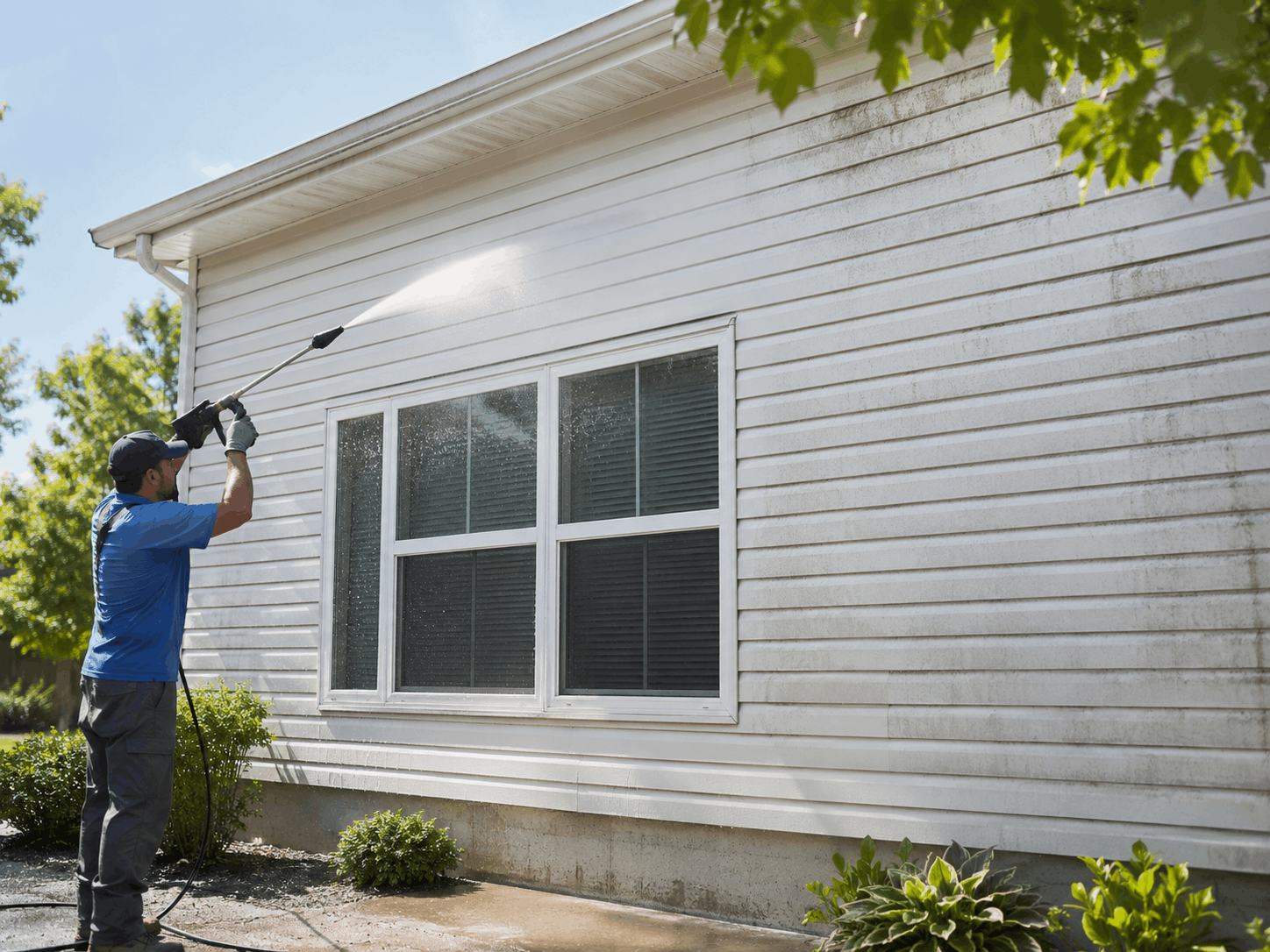
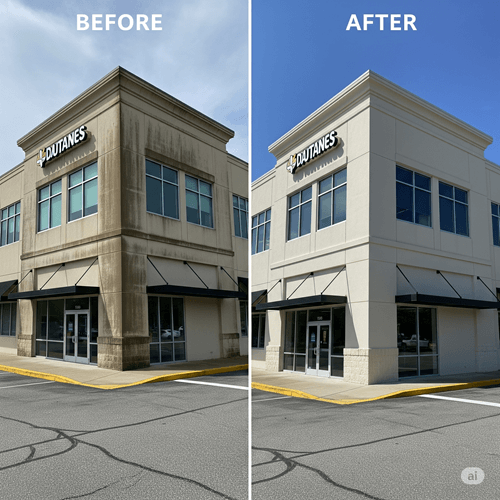
What's Included in Commercial Window Cleaning
- Storefront and ground-floor glass – Display windows, entry doors, sidelights and vestibule glass on a route frequency that matches your footfall.
- Mid-rise and high-rise exterior glass – Upper elevations reached by water-fed pole, aerial lift or suspended scaffold depending on the building and the street.
- Interior glass and partitions – Lobby glass, interior partitions, conference glazing and glass rails, scheduled around occupancy.
- Hard water and mineral stain removal – Sprinkler overspray, runoff staining and etching addressed with restoration compounds rather than more scrubbing.
- Post-construction glass – Labels, adhesive, mortar splatter, paint and construction film removed with scrapers used correctly on tempered glass.
- Frame, sill and track detailing – The parts that make clean glass still look dirty: frames, gaskets, sills, sash tracks and thresholds.
- Skylights, atriums and canopies – Overhead and sloped glazing where the access plan matters more than the cleaning method.
- Screen removal and cleaning – Screens pulled, washed, dried and refitted with the openings noted, rather than cleaned in place and left grey.
- Purified water pole work – Deionized water from grade for reachable elevations, which dries without spotting and needs no detergent.
- Recurring route programs – Weekly, monthly or quarterly routes with a fixed pane count, a fixed price and an inspection card per visit.
Why Quality Power Wash for Commercial Window Cleaning
Glass and the wall behind it
Most window cleaners will not touch the facade and most washing contractors will not touch the glass. Doing both on one visit is the whole point of hiring us.
Access decided before pricing
Pole, lift or rigging is determined at the survey, so the quote reflects the actual method rather than being revised when the crew arrives.
Route discipline
A fixed pane count and an inspection card per visit means you can tell whether the last service actually happened, which is harder than it should be with most vendors.
Paperwork ready for building management
Certificates of insurance, access documentation and crew certifications assembled before mobilization, because most buildings will not let a crew up without them.
Need commercial window cleaning scoped for your property?
718-986-8129
How We Work
1. Glass count and access survey – We count panes by elevation and floor, identify what is reachable from grade and what needs rigging or a lift, and note obstructions, setbacks and anchors.
2. Method and equipment selection – Purified water pole, aerial lift or suspended scaffold is chosen per elevation, and the associated certifications and permissions are lined up in advance.
3. Tenant notice and sequencing – Building management gets the schedule, floors get notice, and the order of work is set so occupied space is disrupted once rather than repeatedly.
4. Exterior then interior passes – Exterior glass and frames first so interior work is not judged against a dirty outside pane, with detailing at sills, gaskets and tracks.
5. Spot inspection and route card – A supervisor checks a sample by elevation in daylight, logs the visit on the route card and flags any glass that needs restoration rather than cleaning.
Access Safety, Certification and Insurance
Window cleaning is the one exterior service where federal safety rules name the work explicitly, and where New York City adds its own certification layer on top. Building management will ask for all of this before letting a crew above the second floor.
- Powered platforms – 29 CFR 1910.66 covers permanently installed powered platforms for building maintenance, and the standard expressly defines building maintenance to include window cleaning, caulking, metal polishing and reglazing. It does not cover temporary swing stages.
- Suspension scaffolds – Where the work runs off a temporary suspended scaffold, 29 CFR 1926 Subpart L applies. Employees on single-point and two-point adjustable suspension scaffolds must be protected by both a personal fall arrest system and a guardrail system.
- Fall protection triggers – The trigger height depends on the standard, not on the trade: 4 feet for general industry walking and working surfaces under 29 CFR 1910.28, and 10 feet on scaffolds under 29 CFR 1926.451. The commonly quoted 6 foot rule is the construction standard and does not automatically apply to maintenance cleaning.
- NYC suspended scaffold certification – The Department of Buildings requires workers on suspended scaffolds to hold a 16-Hour Suspended Scaffold User certificate from a DOB-approved provider. The 32-hour course is the Supervisor credential, which is a separate qualification.
- Rigger supervision – A designated foreman, licensed sign hanger or licensed rigger must supervise suspended scaffold operations on site, and workers carry a Certificate of Fitness issued by that licensed rigger.
- Insurance and COIs – Certificates of insurance naming the owner and managing agent are issued before mobilization. New York employers carry workers’ compensation under Workers’ Compensation Law sections 2 and 3 and disability and paid family leave under section 202.
- Industry credentials in context – IWCA membership, SPRAT rope access certification and the IPAF PAL Card are established voluntary credentials in this trade. None of them is a legal requirement in the United States, and a contractor who tells you a credential is legally mandated is worth a second look.
Who We Help with Commercial Window Cleaning
Window cleaning is bought either as a route or as a project. Retail and restaurants buy the route, because dirty display glass costs them traffic every day. Office buildings and property managers buy the project, usually twice a year, and care most about access documentation and tenant disruption. Healthcare facilities and schools sit in between and buy around their own operating calendars.
- Retail storefronts and restaurants that need weekly or monthly display glass
- Office buildings and business parks on a semi-annual or quarterly program
- Property managers coordinating glass across a multi-building portfolio
- Mixed-use and apartment buildings with lobby, entry and common area glass
- Healthcare facilities scheduling around patient access and quiet hours
- Properties finishing construction that need post-construction glass detailing
Frequently Asked Questions
How much does commercial window cleaning cost in NYC?
It is priced by pane count, access method and frequency, in that order. Ground-floor storefront glass on a recurring route is the cheapest work in the trade. The same square footage twelve floors up, reached by rigging with certified crews and building documentation, is a different service at a different number. We count the panes at the survey and give you a fixed price per visit rather than a range you cannot budget against.
How often should commercial windows be cleaned?
Retail and restaurant display glass generally needs weekly to monthly service, because it is judged from three feet away. Office towers usually run twice a year for the exterior and quarterly for lobby and interior glass. Buildings near construction, arterial roads or the water load faster and need a shorter interval. Route frequency should follow how the glass is actually seen, not a default.
How do you reach the upper floors?
Purified water fed poles cover a surprising amount from grade with no spotting and no detergent. Above that, either an aerial lift where the street and permits allow, or a suspended scaffold under licensed rigger supervision with crews holding the DOB 16-Hour Suspended Scaffold User certificate. The method is selected at the survey and priced accordingly.
Can you work with tenants in the building?
Yes, and it is the normal case. Building management gets the schedule in advance, floors get notice, and work is sequenced so any given tenant is affected once rather than across several days. Interior work is generally scheduled early, late or on weekends depending on the building’s rules.
Are you insured, and can you provide a certificate for building management?
Yes. Certificates naming the owner and managing agent go out before mobilization, along with crew certifications for access work. If your building has specific additional insured wording or limit requirements, send them with the scope request and we will confirm them in writing before scheduling.
Can hard water stains and etching be cleaned off?
Sometimes. Mineral deposits sitting on the surface come off with restoration compounds. Once the mineral has actually etched into the glass, cleaning will not restore it and the honest options are polishing, which has limits, or replacement. We assess and tell you which one you have before quoting the work.
Can you clean the facade at the same time?
That is the reason to use us rather than a glass-only vendor. If the crew is already rigged and on the elevation, cleaning the facade cleaning and the glass in one sequence saves a second mobilization, a second set of documentation and a second disruption to your tenants.
Get Started with Commercial Window Cleaning
Quality Power Wash cleans commercial glass across Manhattan, Brooklyn, Queens, The Bronx and Staten Island, on routes or as scheduled projects, with the access documentation building management will ask for. Call 718-986-8129 or use our contact form to book a walkthrough today.
718-986-8129